A Guide to local culture and tradition on Nusa Lembongan
Nusa Lembongan moves with a gentle and welcoming rhythm shaped by tradition, community and a quiet sense of balance. Understanding this cultural background helps enjoy the island with more ease and appreciation. This guide offers a simple and thoughtful introduction to the local way of life.
Daily offering and everyday balance
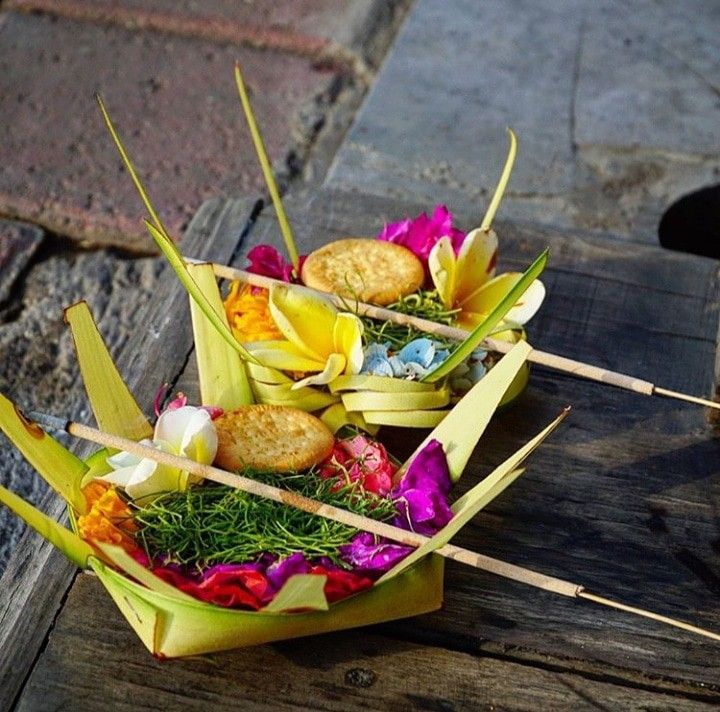
Each morning, small offerings called canang sari are placed in front of homes, shrines and pathways. These offerings express gratitude and help maintain harmony in daily life. Guests are welcome to observe them and are kindly asked to avoid stepping on them.
Temples and community spaces
Temples, or pura, are central to the island’s communal life. Some remain quiet, while others become active during full-moon ceremonies or village gatherings. Visitors may view these spaces from outside and are encouraged to keep conversations soft when passing by. A calm presence aligns with the etiquette of Nusa Lembongan culture.
Ceremonies and island rhythms
Ceremonies take place often on Nusa Lembongan. Some are small family moments and others are larger village processions that gently pause the day. These are not interruptions, but part of the natural rhythm of the community.
A similar care for tradition is present within our partner Shape Haus. When a new home is completed, Shape Haus invites a local priest to hold a blessing ceremony. This gesture honours the land and the people who will one day live there. Guests may notice similar rituals on the island, each reflecting the deep sense of respect found in daily life.
Local etiquette and interaction
Interactions on the island are warm yet understated. A gentle greeting or a soft “Om Swastiastu” (excuse me) is customary when entering small shops or approaching local residents.
Touching someone’s head is avoided, as it is considered sacred. A simple “Matur Suksma” is a respectful way to express appreciation.
Dress and conduct in sacred areas
If you are invited into a temple or ceremonial area, modest attire is recommended. A sarong and sash are typically worn, and shoulders should be covered. Photography is generally accepted outdoors, though capturing moments during rituals should only be done with permission.
Culture and modern hospitality
Nusa Lembongan continues to balance its traditions with its role as a welcoming destination. Many families participate in tourism while maintaining their cultural responsibilities. Recognizing this balance offers guests a clearer understanding of local life Nusa Lembongan and the island’s composed pace.
Exploring Nusa Lembongan with awareness of its culture and traditions encourages a more thoughtful and connected stay. Small gestures of respect help preserve the island’s calm character for everyone who visits.
Looking forward to exploring Nusa Lembongan by yourself? We from AVANTERRA would gladly be your host. Explore your next stay here.
Daily offering and everyday balance
Each morning, small offerings called canang sari are placed in front of homes, shrines and pathways. These offerings express gratitude and help maintain harmony in daily life. Guests are welcome to observe them and are kindly asked to avoid stepping on them.
Temples and community spaces
Temples, or pura, are central to the island’s communal life. Some remain quiet, while others become active during full-moon ceremonies or village gatherings. Visitors may view these spaces from outside and are encouraged to keep conversations soft when passing by. A calm presence aligns with the etiquette of Nusa Lembongan culture.
Ceremonies and island rhythms
Ceremonies take place often on Nusa Lembongan. Some are small family moments and others are larger village processions that gently pause the day. These are not interruptions, but part of the natural rhythm of the community.
A similar care for tradition is present within our partner Shape Haus. When a new home is completed, Shape Haus invites a local priest to hold a blessing ceremony. This gesture honours the land and the people who will one day live there. Guests may notice similar rituals on the island, each reflecting the deep sense of respect found in daily life.
Local etiquette and interaction
Interactions on the island are warm yet understated. A gentle greeting or a soft “Om Swastiastu” (excuse me) is customary when entering small shops or approaching local residents.
Touching someone’s head is avoided, as it is considered sacred. A simple “Matur Suksma” is a respectful way to express appreciation.
Dress and conduct in sacred areas
If you are invited into a temple or ceremonial area, modest attire is recommended. A sarong and sash are typically worn, and shoulders should be covered. Photography is generally accepted outdoors, though capturing moments during rituals should only be done with permission.
Culture and modern hospitality
Nusa Lembongan continues to balance its traditions with its role as a welcoming destination. Many families participate in tourism while maintaining their cultural responsibilities. Recognizing this balance offers guests a clearer understanding of local life Nusa Lembongan and the island’s composed pace.
Exploring Nusa Lembongan with awareness of its culture and traditions encourages a more thoughtful and connected stay. Small gestures of respect help preserve the island’s calm character for everyone who visits.
Looking forward to exploring Nusa Lembongan by yourself? We from AVANTERRA would gladly be your host. Explore your next stay here.

.avif)